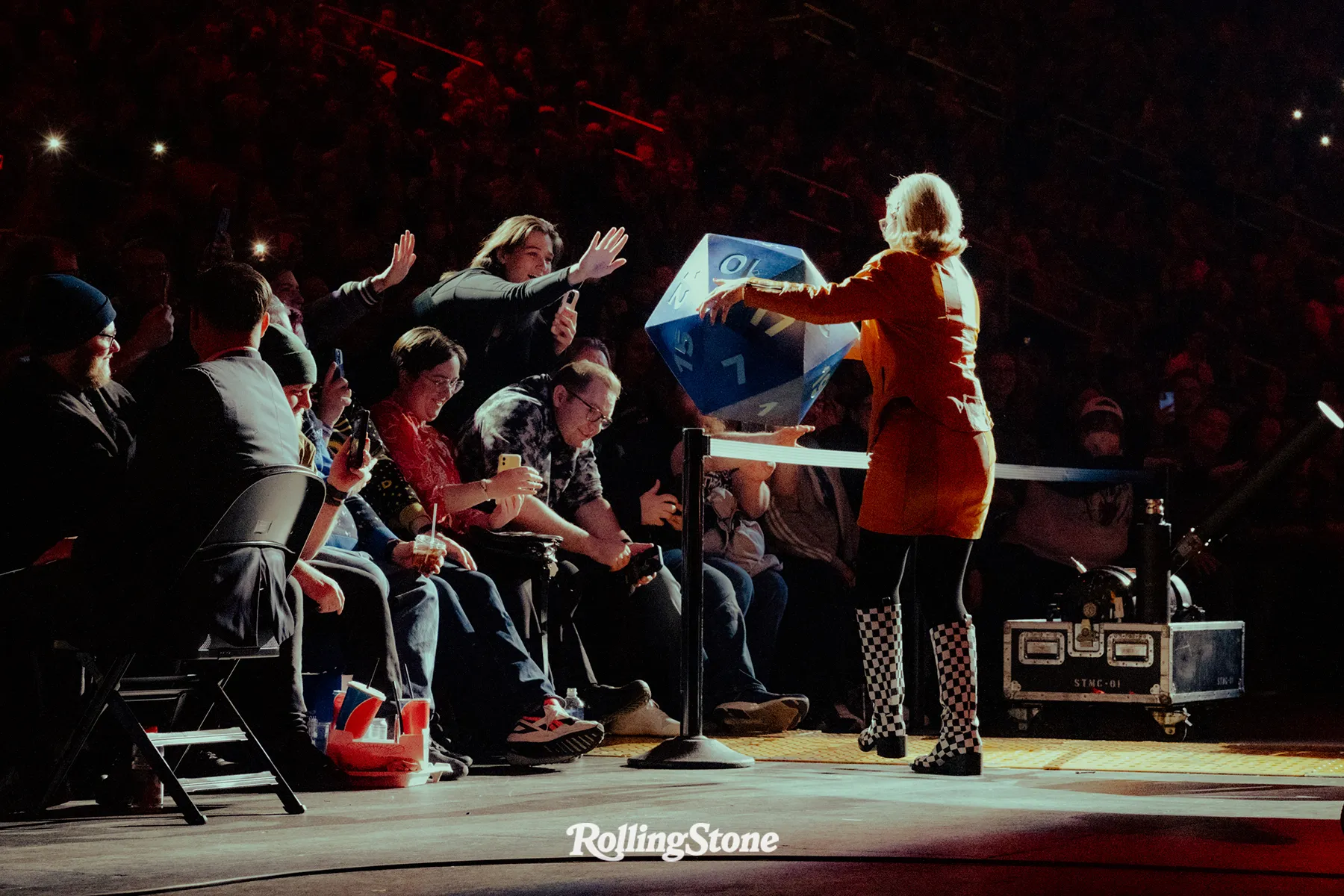

Suddenly, it feels like every other conversation you are overhearing is about your friend’s Dungeons & Dragons (D&D) campaign. Nobody’s free anymore because they have got weekly D&D sessions to make it to, and you cannot help but think—since when did these guys play Dungeons & Dragons? Whether it be because of shows like Stranger Things or TTRPG (Table Top Role-playing Games) shows like Dimension 20 selling out stadiums like Madison Square Garden and The Hollywood Bowl, there has been a spike in student’s interests around D&D… So much so that outsiders have been wondering what it is about this over-fifty-year-old game that has brought so many different people to the same table.
But what is D&D? It exists in a game genre called Tabletop Role-playing Games (TTRPGs). TTRPGs are exactly what their name suggests: Role-playing games that are meant to be played around a table. In games like D&D, dice are rolled to determine how successful one is in tasks ranging from picking a lock, charming a queen, or attacking a combatant. Depending on a character’s various abilities, like strength, dexterity, and charisma, one gets to add various modifiers to the result of the roll. For example, if one is playing someone charismatic, it would be harder for them to fail when trying to charm the queen, while someone stronger would attack an enemy.
This system makes room for the role-playing part of the game that allows players to become whoever they want, while still keeping that aspect of the game realistic by having that possibility for failure. That creates realism, which is exactly what draws people into the game. D&D, at its core, is less a game than it is an outlet to tell a story…And failure always makes that story more interesting, giving characters room to grow and develop over the course of a campaign.
The game’s character creation process also allows for so much more personalization in comparison to the video games that our generation became accustomed to. In a video game, there are limited preset options to choose from, whereas in D&D, the possibilities are endless enough for options to feel logical rather than confining. Even in video games that allow for endless customization possibilities, a player’s choices rarely affect the story’s gameplay or trajectory. In D&D, one’s character creation choices will affect how they navigate through the game’s challenges.
Unlike video games, where one is given limited options when trying to solve a problem or talk to an NPC (non-player character), a player, in the character development process, is given the option to say what they want, as well as the opportunity to come up with creative solutions to a problem with other characters that form part of their party.
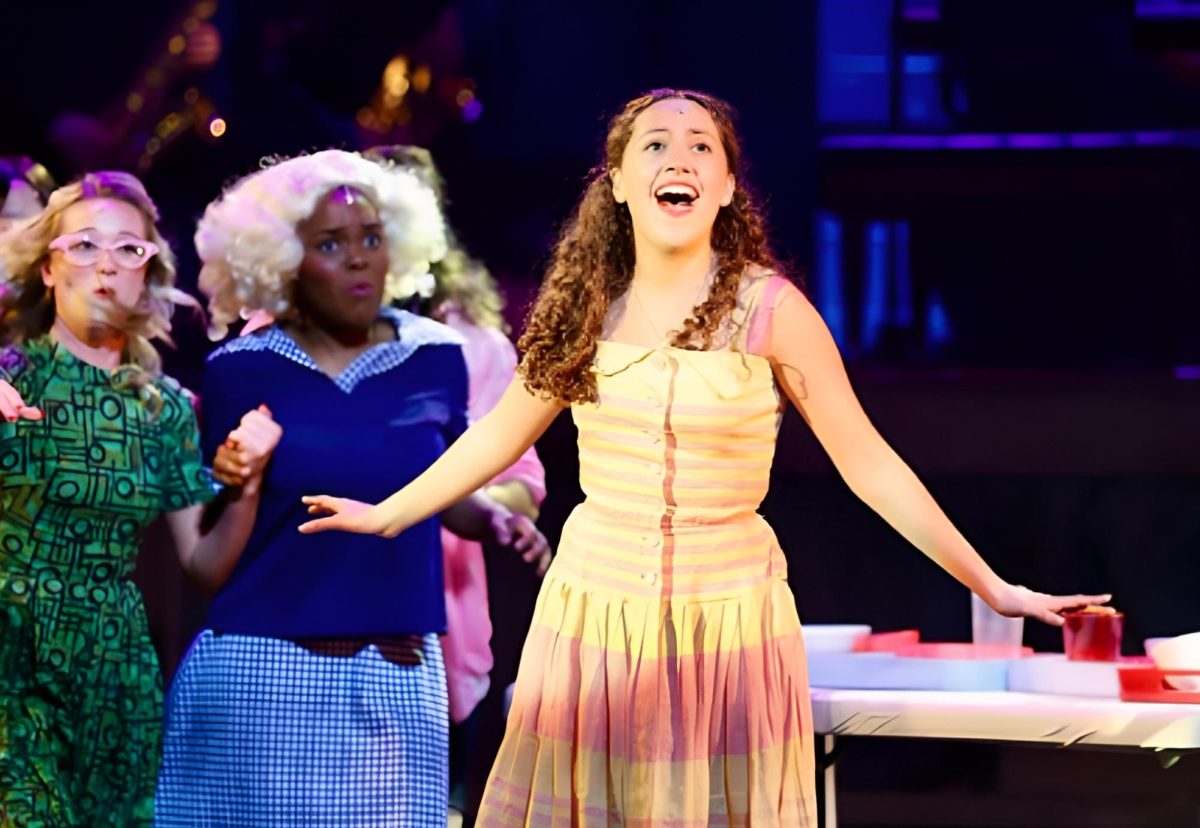
These opportunities for creative collaboration and teamwork are not only exciting gameplay aspects, but a way for the people behind the characters to bond. Bonds created through D&D are extremely meaningful, especially for students like Rina Piken (10), who stated how D&D has made their life better “by introducing [them] to an amazing group of people who [they] see both on [their] screen and in real life.” Aside from the friends that they made in real life through playing, Piken heavily identifies with characters from D&D actual-play shows like Fig Faeth from Dimension 20’s Fantasy High, played by Emily Axford. Fig’s story and character arc made Piken feel seen, and her interest in the show has also given her more opportunities to make new friends.
A lot of the time, the game is a way for people to sit around a table and be chaotic with a group of friends. However, for Piken and many others like them, D&D can help them escape the real world and understand it more deeply. So whether it be to fulfill your dreams of having magical powers or to tell a story filled with drama, heart, and stakes, D&D has proved to be a game for everyone. So maybe it’s your turn to take a seat at the table and roll some dice or even just press play on an episode of Dimension 20. You might enjoy it more than you expect.