The story of Assata Shakur faded over the years until the Cuban government and Assata Shakur’s daughter (Joanne Chesimard) announced her unfortunate passing. A distant memory to some, yet a significant and controversial figure to others. The FBI named her a threat to the country and added her to the most-wanted list in 2013. Her backstory was used as a rally cry during the Black Lives Matter Movement, with many African Americans spreading her story. Her death influences conversations about resilience, justice, and legacy to others who fought against the American system at the time. Aviana Lilly (9) revealed why Shakur was so questioned amongst people: “I think she represents two different ideas… For me and others she was a fighter against racism and inequality. But to others she was a criminal.” To many, Shakur symbolizes defiance and a small reminder about the everlasting struggle for equality in America.
Shakur’s influence has gone beyond just symbolism–her influence plays a part in politics. Assata Shakur has been a huge issue between the United States and Cuba. For decades, President Trump and other American authorities demanded that Cuba return Shakur. This situation began when Shakur became a member of the Black Panther and Black Liberation Army due to her pure belief that radical change needed to be undertaken to achieve black liberation and her feeling that the U.S government was racist. The Black Panther, which evolved into a group advocating armed self defense, is a political organization that protects Black people from police brutality. The Black Liberation Army was a group that emerged from the Black Panther and focused on perpetrating robberies, bombings, and police attacks. During her time in these groups, she committed bank robbery, kidnapping, and attempted murder. The main incident leading to her arrest was the New Jersey Turnpike shootout, which occurred in 1973 during a traffic stop because Shakur and two others were driving a car that had a broken headlight. A gunfight quickly occurred, and one of the troopers, “Werner Foerster,” as well as another person accompanying Shakur, was killed. Shakur immediately fled the scene but was eventually detained in 1977. She was convicted of murder, armed robbery, and possessing an illegal weapon. However she was later acquitted for her bank robberies, attempted murder, and other charges.
She was sentenced to life in prison and escaped in November of 1979. In 1984, she applied and got accepted for political asylum in Cuba. This is one of Cuba’s most famous examples of aligning themselves with rebel forces struggling against the American capitalist rule.
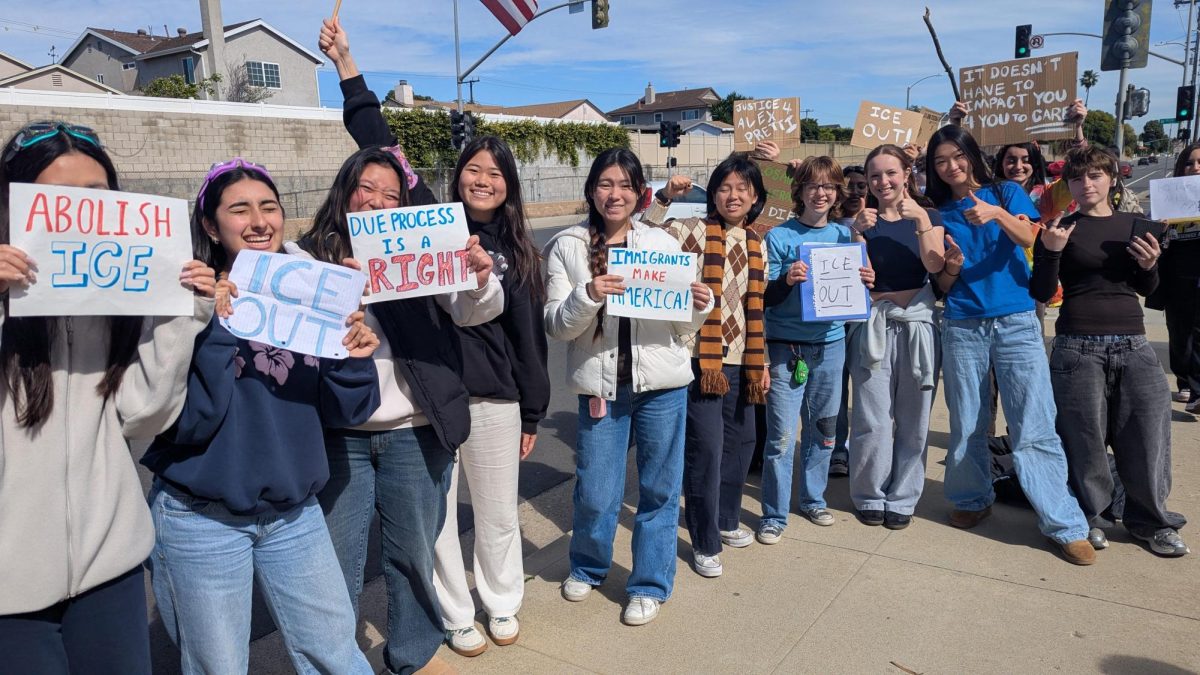
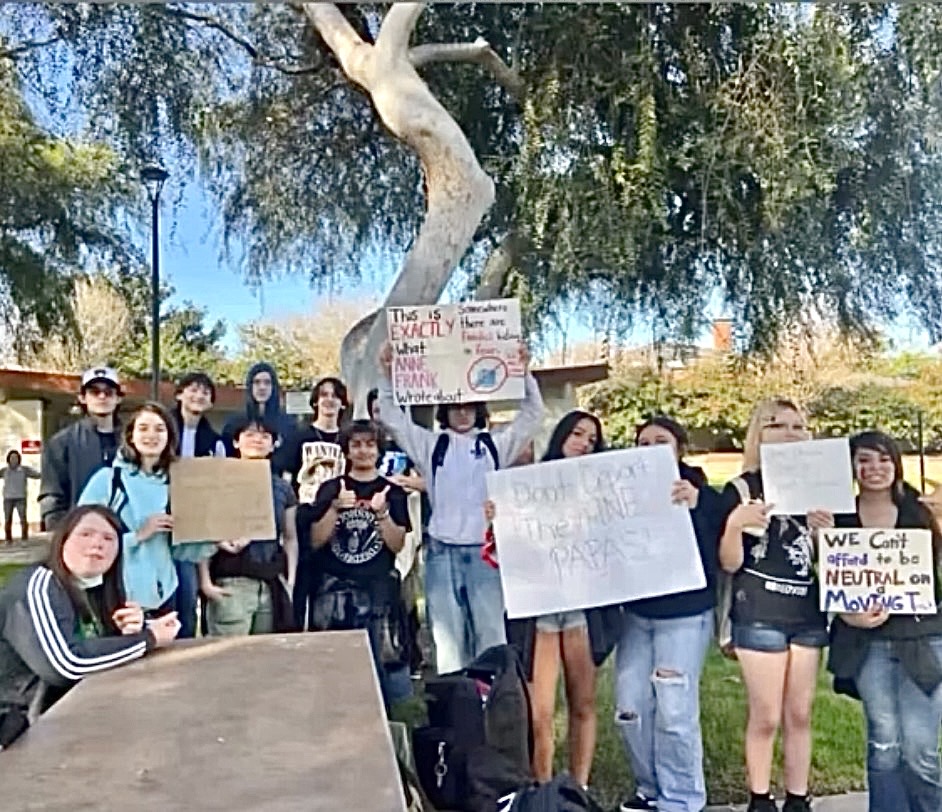
The Covid-19 pandemic occurred in 2020, but at that time, the Black Lives Matter movement was developing in America. These protests occurred because of George Floyd’s controversial death, which reminded many about one of the topics (police brutality) Shakur once fought against. Shakur automatically became a bridge for connecting social causes. In protests, her autobiographical quotes sank in that spread powerful meanings for justice. One of them that was written on posters was that “[i]t is our duty to fight for our freedom. It is our duty to win. We must love each other and support each other. We have nothing to lose but our chains.” Although melancholy feelings are attached with Shakur’s name, people use it to commend her life and forge solidarity with those who suffered from similar injustices she faced. Leah Sullivan (9) shares her thought-provoking opinion: “Her story inspires other teens like us to get involved. I noticed through social media that some activists quote her because she is a big reminder to fight for what’s right.”
Despite her legacy on individuals in today’s society who are avid justice-seekers, Shakur is still known as a cop killer who deserved prosecution. Those who support the Black liberation movement, however, can agree that she is paving the way for greater respect for this marginalized racial group and others who are facing oppression.